
Contents
- 🎵 Origins & History
- ⚙️ How It Works
- 📊 Key Facts & Numbers
- 👥 Key People & Organizations
- 🌍 Cultural Impact & Influence
- ⚡ Current State & Latest Developments
- 🤔 Controversies & Debates
- 🔮 Future Outlook & Predictions
- 💡 Practical Applications
- 📚 Related Topics & Deeper Reading
- Frequently Asked Questions
- References
- Related Topics
Overview
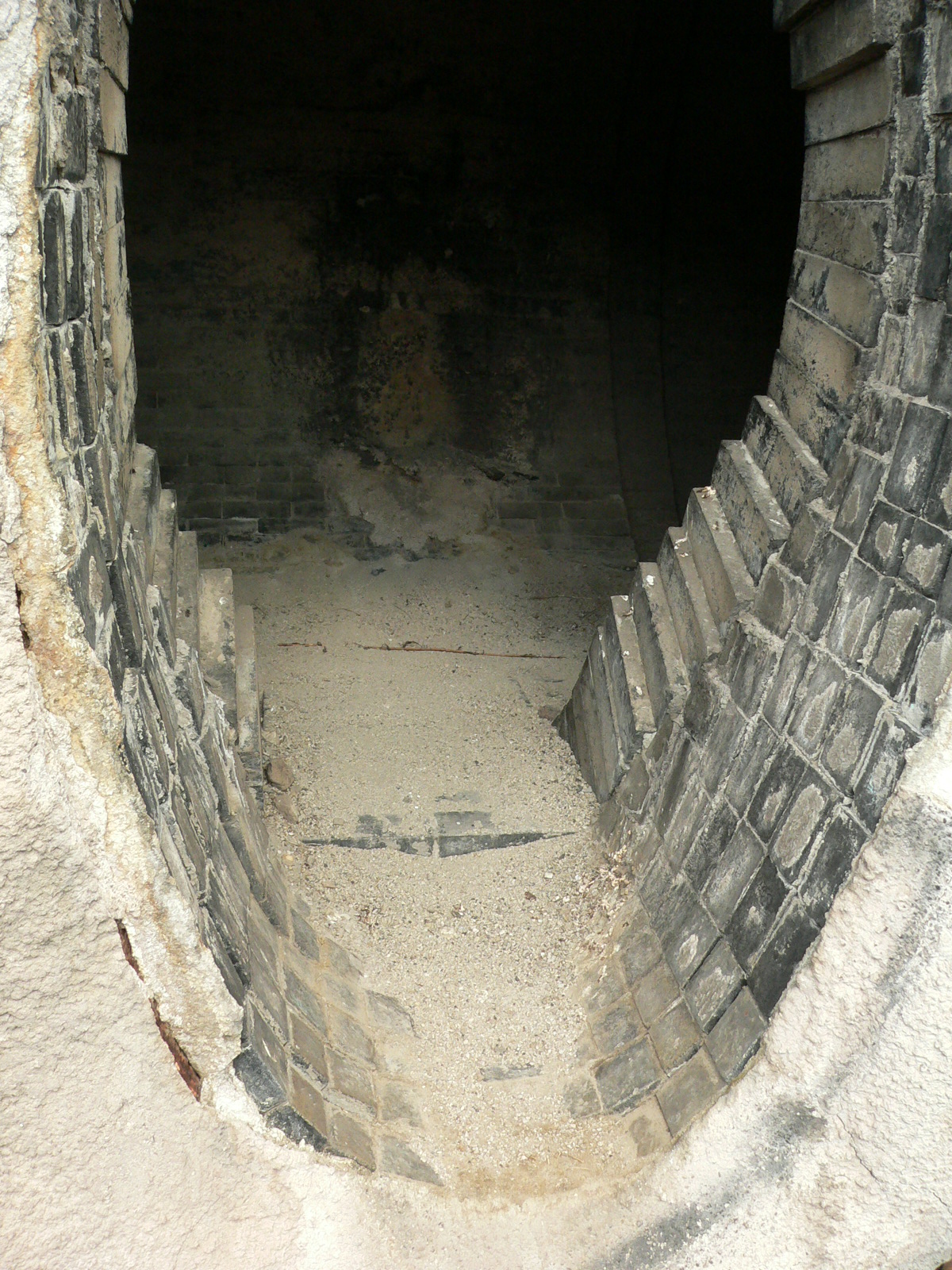
Furnace brick heat resistance refers to the ability of refractory bricks to withstand extremely high temperatures, making them ideal for lining furnaces, kilns, fireboxes, and fireplaces. These bricks are made of primarily oxide materials like silica and alumina in varying ratios, allowing them to maintain their structure and insulating properties even in the most extreme conditions. With a low thermal conductivity, refractory bricks can achieve energy efficiency, making them a crucial component in various industrial applications. The bricks' density and porosity also impact their heat resistance, with dense bricks being used in applications with extreme mechanical, chemical, or thermal stresses, and more porous bricks being used in less harsh situations.
🎵 Origins & History
The history of furnace brick heat resistance dates back to the early days of metallurgy, where refractory materials were first used to line furnaces and kilns. The development of refractory bricks has been shaped by the contributions of numerous individuals and companies.
⚙️ How It Works
The heat resistance of furnace bricks is a complex phenomenon that involves the interaction of various factors, including the brick's composition, density, and porosity. The bricks' ability to withstand high temperatures is due to the presence of oxide materials like silica and alumina, which form a stable crystal structure that resists thermal shock. The bricks' low thermal conductivity also plays a crucial role in their heat resistance, as it reduces the transfer of heat through the brick and minimizes the risk of thermal damage.
📊 Key Facts & Numbers
Key facts about furnace brick heat resistance include the bricks' ability to maintain their structure and insulating properties in extreme conditions. The bricks' density and porosity also play a significant role in their heat resistance, with dense bricks being used in applications with extreme mechanical, chemical, or thermal stresses, and more porous bricks being used in less harsh situations.
👥 Key People & Organizations
Key people and organizations involved in the development and application of furnace brick heat resistance include the American Ceramic Society, The Refractories Institute, and International Organization for Standardization (ISO). These organizations have played a crucial role in establishing standards and guidelines for the manufacture and use of refractory bricks, ensuring their safety and efficacy in various industrial applications.
🌍 Cultural Impact & Influence
The cultural impact and influence of furnace brick heat resistance can be seen in the various industries that rely on refractory bricks, including metallurgy, ceramics, and glass manufacturing. The development of refractory bricks has enabled the creation of high-temperature furnaces and kilns, which have revolutionized the production of metals, ceramics, and glass.
⚡ Current State & Latest Developments
The current state of furnace brick heat resistance is characterized by ongoing research and development aimed at improving the bricks' composition, manufacturing process, and performance. Companies are investing in the development of new materials and technologies to enhance the heat resistance of refractory bricks.
🤔 Controversies & Debates
Controversies and debates surrounding furnace brick heat resistance include the environmental impact of refractory brick production and the safety of workers handling refractory bricks. Organizations like Occupational Safety and Health Administration (OSHA) and Environmental Protection Agency (EPA) have established guidelines and regulations to mitigate these risks and ensure the safe use of refractory bricks.
🔮 Future Outlook & Predictions
The future outlook for furnace brick heat resistance is promising, with ongoing research and development aimed at improving the bricks' performance and reducing their environmental impact.
💡 Practical Applications
Practical applications of furnace brick heat resistance include their use in lining furnaces, kilns, fireboxes, and fireplaces, as well as in the production of metals, ceramics, and glass. The bricks' heat resistance enables them to withstand the high temperatures required for these processes, making them a crucial component in various industrial applications.
Key Facts
- Year
- 2023
- Origin
- Global
- Category
- types
- Type
- concept
Frequently Asked Questions
What is the primary material used in refractory bricks?
The primary materials used in refractory bricks are oxide materials like silica and alumina, which form a stable crystal structure that resists thermal shock.
What is the role of density and porosity in refractory brick heat resistance?
The bricks' density and porosity impact their heat resistance, with dense bricks being used in applications with extreme mechanical, chemical, or thermal stresses, and more porous bricks being used in less harsh situations.