
Summary
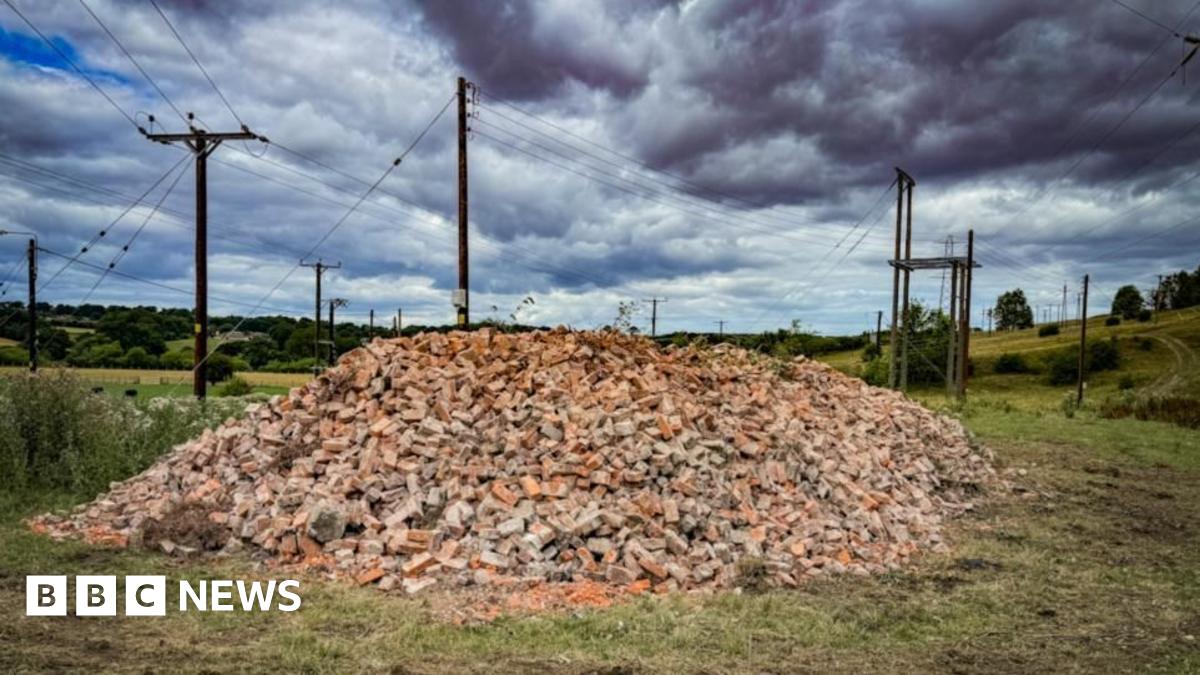
The demolition of the Kepier Brick Kiln has significant implications for the preservation of historic structures in **conservation areas**. The kiln's destruction has sparked a debate about the importance of preserving industrial heritage, with some arguing that the kiln was a unique and valuable part of the area's history. Others have raised concerns about the safety of the structure, citing its state of disrepair as a justification for demolition. As the council considers the next steps for the site, it must balance the need to preserve historic structures with the need to ensure public safety. [[industrial-heritage|Industrial heritage]] is an important part of a region's history and identity, and the preservation of structures like the Kepier Brick Kiln is crucial to understanding and appreciating this heritage.
Key Takeaways
- The Kepier Brick Kiln was demolished in July, sparking a debate about heritage preservation and safety
- The council refused the retrospective application, citing the importance of preserving historic structures
- The proposed information board will provide a compromise, allowing the site to be understood and appreciated without recreating a dangerous structure
- The demolition of the kiln has significant implications for the preservation of historic structures in conservation areas
- The council's decision sets a precedent for the importance of preserving industrial heritage
Balanced Perspective
The demolition of the Kepier Brick Kiln highlights the challenges of balancing preservation and safety. While the kiln was a historic structure, it was also in a state of disrepair, posing a risk to public safety. The council's decision to refuse the retrospective application acknowledges the importance of preserving historic structures, but also recognizes the need to prioritize safety. The proposed information board will provide a compromise, allowing the site to be understood and appreciated without recreating a dangerous structure. [[safety-concerns|Safety concerns]] are a critical factor in the preservation of historic structures, and the council's decision must take into account the potential risks associated with preserving the kiln.
Optimistic View
The refusal of the retrospective application is a victory for heritage preservation, ensuring that the site is protected and the history of the area is preserved. The proposed information board will provide a valuable resource for understanding the site's significance, and the council's decision sets a precedent for the importance of preserving historic structures. **Historic England** has emphasized the importance of preserving industrial heritage, and the Kepier Brick Kiln is a significant example of this type of heritage. The council's decision will help to protect other historic structures in the area, ensuring that the region's history and identity are preserved for future generations.
Critical View
The demolition of the Kepier Brick Kiln is a loss for the area's industrial heritage, and the refusal of the retrospective application is a hollow victory. The kiln was a unique and valuable part of the area's history, and its destruction cannot be undone. The proposed information board is a poor substitute for the real thing, and the council's decision sets a worrying precedent for the preservation of historic structures. The **National Trust** has expressed concerns about the demolition of historic structures, and the Kepier Brick Kiln is a significant example of the importance of preserving industrial heritage. The council's decision will have significant implications for the preservation of historic structures in the area, and may lead to the loss of other valuable heritage sites.
Source
Originally reported by BBC